The Chrisley family, a name synonymous with reality television and a seemingly gilded lifestyle, has faced an unprecedented upheaval that has dramatically reshaped their internal world. With Todd and Julie Chrisley recently released from separate federal prisons, the challenges to their family relationships and dynamics post-incarceration are just beginning to unfold, presenting a complex tapestry of emotional, logistical, and public scrutiny. This isn't just a story about legal battles; it's a deep dive into how a family recalibrates after profound separation and public exposure.
At a Glance: What to Expect for the Chrisley Family
- Pardon & Release: Todd and Julie Chrisley were released from federal prison on May 28, following a full pardon from President Donald Trump a day prior, despite ongoing appeals against their 2022 fraud conviction.
- Communication Breakdown: While incarcerated, Todd and Julie could only communicate via email, experiencing significant delays (2-3 weeks), and were not permitted phone calls.
- Children Stepped Up: Chase, Savannah, Grayson, Chloe, and Nanny Faye navigated life, managed family affairs, and maintained contact while Todd and Julie were imprisoned.
- Docuseries in Progress: A Lifetime docuseries, filmed before and after the parents' release, chronicles the family's journey, capturing phone calls with Todd and Julie from prison.
- Uncertain Reality TV Future: Todd and Julie are not currently part of the docuseries, and their direct return to reality television is a family decision still pending discussion.
- Adapting to Change: The family and the docuseries production are constantly adjusting to the rapidly evolving situation, including the unexpected pardon.
The Unforeseen Pardon and the Long Road to Release
The Chrisleys' legal saga has been a public spectacle, commencing with their August 2019 indictment on a dozen counts of bank and wire fraud, tax evasion, and conspiracy. Found guilty in June 2022 and subsequently sentenced to a combined 19 years in prison in November 2022, their world irrevocably shifted. They reported to federal prison in January 2023, faced a sentence reduction in September 2023, and continued to appeal their case. However, their journey took another unexpected turn when, on May 28, they were released from separate federal prisons, having received a full pardon from President Donald Trump just a day prior. This abrupt end to their incarceration, while welcome, introduces a unique set of circumstances for their family dynamics, different from a typical release after serving a full term.
This sudden pivot from an anticipated, lengthy incarceration to an immediate return home means the psychological and practical adjustments are happening in real-time, without the gradual preparation that often accompanies a scheduled release. The family’s coping mechanisms, developed during the period of separation, must now quickly adapt to a reunified household.
Life Behind Bars: The Invisible Strain on Family Bonds
For any family, the incarceration of parents creates an immense void, but for the Chrisleys, this separation was compounded by severe communication restrictions. Chase Chrisley's revelation painted a stark picture: his parents could only communicate via email, a method fraught with delays of two to three weeks, and were completely barred from phone conversations.
Imagine the emotional toll of such limited contact. Weeks could pass without hearing directly from a loved one. Urgent family matters, emotional support, or simply the comfort of a familiar voice were non-existent luxuries. This wasn't just a physical separation; it was an enforced emotional and practical disconnect that forced other family members to step up in unprecedented ways. The absence of real-time dialogue meant misunderstandings could fester, and the ability to process emotions together was severely hampered. This prolonged period of fractured communication undoubtedly left scars, creating new habits of independent problem-solving among the children and Nanny Faye, which will now need to be re-evaluated within a fully present family unit.
Holding the Fort: The Children and Nanny Faye's Journey
While Todd and Julie were incarcerated, the remaining Chrisley family members — Chase, Savannah, Grayson, Chloe, and Nanny Faye — were left to navigate an entirely new reality. They bore the brunt of maintaining the family's public image, managing personal lives under intense scrutiny, and perhaps most importantly, ensuring the younger children were supported. This period of forced independence forged new dynamics and responsibilities within the household.
Savannah, in particular, took on significant guardianship roles, and both she and Chase have been vocal about the challenges they faced. Their resilience and adaptation during this time are now the foundation upon which the family will rebuild. The Lifetime docuseries, which began filming before Todd and Julie's release, showcases precisely how this younger generation, alongside the ever-steadfast Nanny Faye, managed life without their parents physically present. The cameras were even present during family phone calls with Todd and Julie from prison, capturing raw, unfiltered moments of connection across an insurmountable divide. This footage will offer a candid look into the family's internal strength and how they maintained their bonds under duress. To truly understand the challenges they faced, it's worth exploring the broader context of Chrisleys life after lockup and how they've coped with their new realities.
The docuseries itself serves a dual purpose: it offers a narrative of their survival and provides a potential platform for the family to reclaim their story. However, it also means their private struggles are unfolding in the public eye, adding another layer of pressure to their healing process.
The Spotlight's Glare: Navigating Media & Public Eye
The Chrisleys have built their brand on reality television, making their lives inherently public. The new Lifetime docuseries adds another chapter to this narrative, but with a crucial distinction: Todd and Julie are not directly part of the current show. This creates an interesting dynamic where the story is being told through the eyes of those who remained on the outside.
A production source confirmed that the show is still filming, adapting in real-time to the unexpected pardon and the rapidly evolving family situation. This means the docuseries will capture not just the period of incarceration, but also the immediate aftermath of the parents' return, offering a unique, unscripted look at a family in transition. The fact that the show adapts to an unexpected pardon highlights the fluid and unpredictable nature of their lives, where public and personal spheres are constantly intertwining. This constant exposure, while familiar, can also complicate the intimate process of family reunification and healing, adding an external layer of expectation and judgment to their private struggles.
Reunification Road: Challenges and Adjustments
The sudden return of Todd and Julie, while undoubtedly joyous, isn't simply a switch flipped back to normal. The family has spent a significant period functioning without them in key roles, and the dynamics will need careful re-negotiation.
Emotional Reconnection: After such restricted communication, rebuilding deep emotional intimacy will take time and effort. There might be unspoken resentments, new anxieties, or simply a need to relearn how to share space and emotions freely without the prison walls as a barrier. The children, having grown and taken on more responsibility, will need to re-establish their roles in relation to their parents, who themselves have undergone profound personal experiences.
Practical Adjustments: Daily routines, household decision-making, and even leisure activities will require adjustment. The family members who managed the household in their absence developed their own systems. Now, Todd and Julie must reintegrate into these existing structures, and potentially reclaim their former leadership roles, or find new ones, in a way that doesn't disrupt the stability the children have built.
Public Perception vs. Private Reality: The Chrisleys live under a microscope. Every step, every public appearance, will be scrutinized. They will need to manage the external narrative while simultaneously doing the difficult internal work of strengthening their family bonds. This constant awareness of public opinion can add immense pressure to an already sensitive period of reintegration.
The Reality TV Question Mark: A Family Conversation Pending
One of the most pressing questions surrounding the Chrisley family's future involves their return to reality television. The current Lifetime docuseries provides a glimpse into their lives, but Todd and Julie's direct involvement in future seasons or new shows remains uncertain. According to the ground truth, their return to reality television is pending a family conversation.
This isn't a decision made lightly. While reality TV has been their livelihood, the experiences of the past few years have undoubtedly shifted priorities. A family discussion would need to weigh the financial benefits against the personal toll of constant exposure, the emotional bandwidth required, and the narrative they wish to project. It's a testament to the family's evolving dynamics that such a significant career decision now hinges on a collective family agreement, rather than just the decision of the patriarch and matriarch. This emphasizes a shift towards a more democratic, trauma-informed approach to their public presence.
Beyond the Headlines: Rebuilding Family Foundations
True healing and strengthening of family dynamics after such an ordeal requires intentional effort far removed from the glare of cameras. Here’s what families in similar situations often find crucial:
- Open and Honest Communication: Moving past the email delays and restricted contact means fostering an environment where everyone feels safe to share their experiences, fears, and hopes without judgment. This might involve family therapy or facilitated discussions.
- Re-establishing Trust: Trust can be eroded by separation, unspoken anxieties, or the strain of managing affairs under pressure. Rebuilding it requires consistency, reliability, and genuine effort from all members.
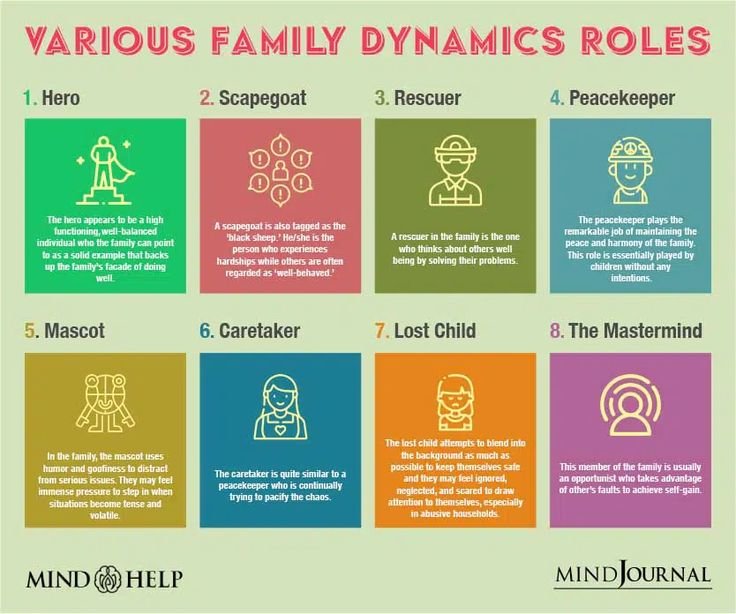
- Defining New Roles: The children and Nanny Faye took on immense responsibilities. Todd and Julie’s return necessitates a discussion about new family roles and responsibilities that leverage the growth experienced by everyone, rather than simply reverting to old patterns.
- Prioritizing Emotional Well-being: The trauma of incarceration, for both those inside and outside, can have lasting effects. Prioritizing mental health support, whether through individual counseling or family therapy, is paramount.
- Creating New Memories: While processing the past is important, actively creating positive new memories together helps to redefine the family narrative and foster a sense of hope and continuity. This could be as simple as regular family dinners or as grand as a planned trip.
The path forward for the Chrisley family will be a delicate balance of acknowledging the past, adapting to the present, and carefully planning for a future that aligns with their new understanding of what truly matters.
Common Questions About the Chrisley Family's Return
The Chrisley family's situation raises many questions, particularly given the unique circumstances of their release and ongoing media presence.
Q: Were Todd and Julie released because their conviction was overturned?
A: No, their release on May 28 was due to a full pardon from President Donald Trump a day prior. Their conviction from June 2022 still stands, and they were, in fact, continuing to appeal their case prior to the pardon. A pardon does not expunge the conviction, but it does relieve the individual of the penalties associated with it.
Q: Are Todd and Julie Chrisley part of the new Lifetime docuseries?
A: According to a production source, Todd and Julie are not directly part of the current show. The docuseries focuses on Chase, Savannah, Grayson, Chloe, and Nanny Faye navigating life during their parents' incarceration and immediately following their release. However, footage from family phone calls with Todd and Julie while they were in prison is included.
Q: Why was their sentence reduced in September 2023 if they were pardoned later?
A: Their sentence was reduced in September 2023 as part of the normal legal process (often due to good behavior or appeals review) that occurs before a pardon. The pardon is a separate executive act that overrides the remaining sentence entirely.
Q: What does the "unexpected pardon" mean for the docuseries?
A: A production source confirmed that the show is still filming and is adapting to the unexpected pardon and the family's rapidly evolving situation. This means the docuseries will incorporate the new reality of their release and the subsequent adjustments.
Q: Will the Chrisley family return to reality television in a show with Todd and Julie?
A: This remains uncertain. The decision about Todd and Julie's direct return to reality television is pending a family conversation, indicating it's a significant decision requiring collective input.
Moving Forward: The Chrisleys' Evolving Narrative
The Chrisley family's journey post-incarceration is a powerful illustration of resilience, adaptation, and the enduring strength of family bonds, even when tested by public scrutiny and legal challenges. Their story isn't over; it's entering a new, complex chapter defined by reunification, the renegotiation of relationships, and the careful navigation of a public life intertwined with deeply personal healing.
As they move forward, the focus will undoubtedly shift from the legal battles to the internal work of rebuilding. This process will be private for some aspects, yet overtly public for others, particularly through the lens of their ongoing docuseries. The family's ability to communicate openly, support each other's individual healing, and collectively decide on their future public presence will determine the ultimate shape of their evolving narrative. For many, the Chrisleys offer a poignant reminder that even amidst extraordinary circumstances, the heart of a family's strength lies in its capacity to adapt, forgive, and move forward, together.